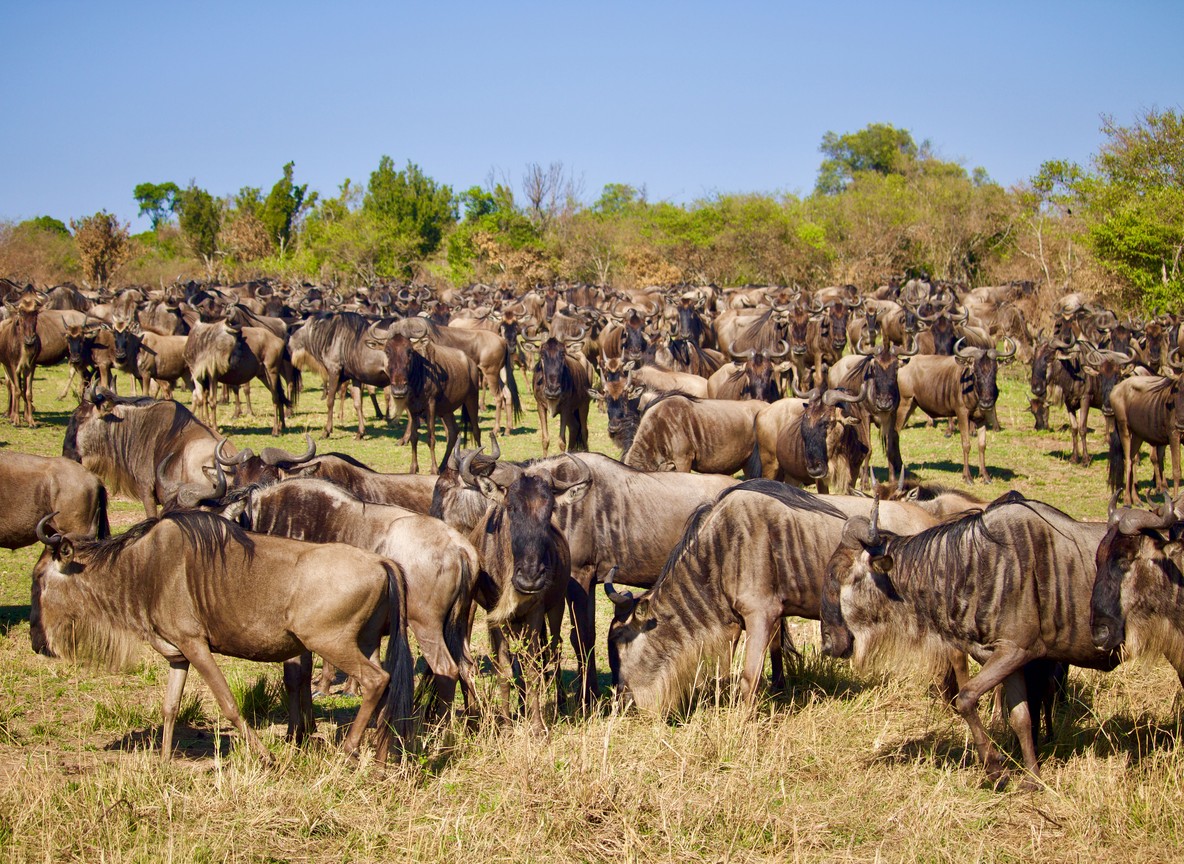
Most Mara camps sell proximity to game. Kichwa Tembo sells proximity to one specific event: the river crossing. The camp sits on a private concession on the Oloololo Escarpment. It sits right against the reserve’s western edge, overlooking the Mara Triangle, where a large share of the migration’s crossing drama actually happens. That location is not incidental. It shapes drive times, gate choice, and even which crossing points a guide can reach before the light goes flat. Touring Insights breaks down what that location means in real distances and fees, and how Kichwa Tembo compares to camps positioned elsewhere in the reserve.
Where Kichwa Tembo Sits on the Mara’s Western Edge
Kichwa Tembo occupies a private concession on the Oloololo Escarpment, a rise of land forming the reserve’s western boundary. From camp, the ground drops into the Mara Triangle. This sector covers roughly 510 km2 of the 1,510 km2 Masai Mara National Reserve. The Mara Conservancy manages it, not Narok County. That distinction matters for travelers. The Mara Triangle carries its own gate, its own ranger patrols, and historically lighter vehicle traffic than the reserve’s eastern side near Sekenani and Talek. Oloololo Gate, sometimes called Kichwa Tembo Gate locally, sits a short drive from camp and is the main entry point into the Triangle from the west.
Why This Location Puts River Crossings Within Reach
The Mara River forms much of the boundary between the Mara Triangle and the Serengeti’s northern Lamai Wedge. Herds cross from Tanzania into Kenya, and back again later in the season. They funnel through a limited number of points, including areas near Lookout Hill and the stretch of river below Purungat. A camp based inside or against the Mara Triangle can reach several of these points in 20 to 40 minutes once a crossing starts building. Eastern-side camps near Talek or Sekenani Gate often face a 1.5 to 2 hour drive to the same points, and that assumes the Purungat bridge is passable. Kichwa Tembo’s guides watch herds gather on the Tanzanian bank from the escarpment itself. That view cuts down the guesswork on which crossing point to stake out.
Kichwa Tembo vs Camps on the Reserve’s Eastern Side
Not every well-known Mara camp sits near the river. The table below compares Kichwa Tembo’s western, Mara Triangle-adjacent position against camps clustered near the reserve’s more heavily visited eastern gates.
| Factor | Kichwa Tembo (Oloololo Escarpment) | Eastern Mara camps (near Talek/Sekenani) |
|---|---|---|
| Managing authority for nearest sector | Mara Conservancy (Mara Triangle) | Narok County Council (main reserve) |
| Drive time to river crossing points | Approx. 20-40 minutes in season | Approx. 1.5-2 hours, bridge-dependent |
| Nearest gate | Oloololo Gate | Talek Gate or Sekenani Gate |
| Typical vehicle density at crossings | Lower, Triangle limits vehicle numbers | Higher, especially July-September peak |
| Access from Nairobi | Kichwa Tembo Airstrip, approx. 45 min flight | Various airstrips, similar flight times |
| Best migration months for this side | July through October, Tanzania-to-Kenya crossings | July through October, both directions |
Lower vehicle density here is a real planning factor, not just marketing language. The Mara Conservancy caps visitor numbers more tightly than parts of the main reserve. A crossing in the Triangle usually means fewer vehicles jostling for a sightline.
What a Day at Kichwa Tembo Looks Like During Crossing Season
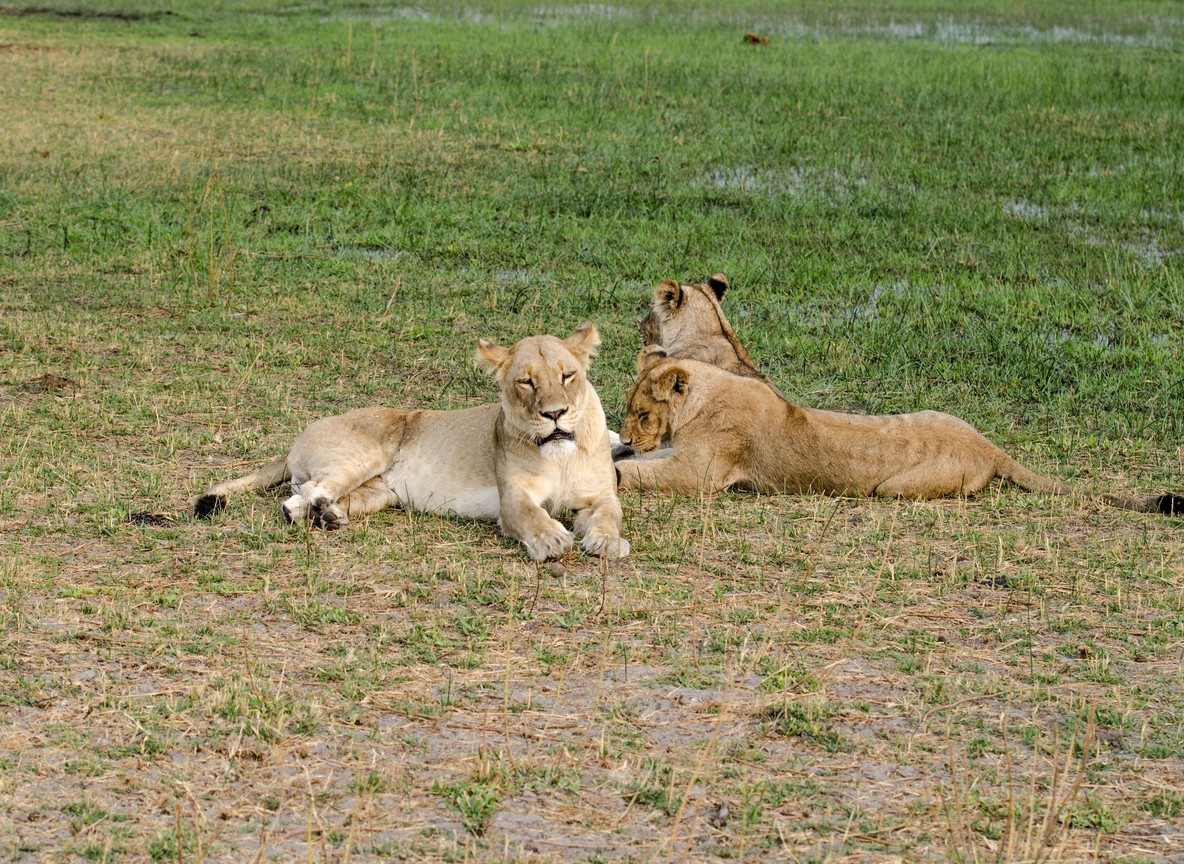
Guides here build the day around river movement rather than a fixed circuit. Mornings often start with a scan of the Tanzanian bank from a vantage point on the escarpment. Building herds can signal a crossing hours before it happens. Once wildebeest bunch at the water’s edge, guides radio positions to other vehicles from the same camp and reposition fast. Waiting can still run long. Herds frequently gather, retreat, and regroup for an hour or more before committing to the water. Afternoons without an active crossing usually shift toward general game drives on the Mara Triangle’s open plains. These plains hold resident lion prides, topi herds, and regular elephant sightings all year, apart from the migration.
Getting to Kichwa Tembo: Airstrips, Gates, Drive Times
Most travelers fly into Kichwa Tembo Airstrip, a dirt strip a short transfer from camp. Scheduled flights from Nairobi’s Wilson Airport land there in roughly 45 minutes. Driving from Nairobi covers approximately 270 to 290 km via Narok town. The trip runs 5 to 6 hours, since part of it crosses unpaved road inside the reserve boundary. Travelers arriving by road generally enter through Oloololo Gate on the reserve’s western edge, avoiding the longer approach through Sekenani that eastern-side camps require.
Facts to Confirm Before You Book
Kichwa Tembo sits on a concession, which carries different fee structures than camps inside the gazetted reserve itself.
| Detail | Figure |
|---|---|
| Masai Mara National Reserve total size | approx. 1,510 km2 |
| Mara Triangle sector size | approx. 510 km2 |
| Nearest gate | Oloololo Gate |
| Nearest airstrip | Kichwa Tembo Airstrip |
| Flight time from Nairobi (Wilson) | approx. 45 minutes |
| Road distance from Nairobi | approx. 270-290 km |
| Road drive time from Nairobi | approx. 5-6 hours |
| Mara Triangle conservation fee (indicative) | approx. USD 80-100 per person, per day |
| Peak crossing months | July through October |
Conservation fees at Kenyan reserves change with government and conservancy policy. Confirm the current rate with Kichwa Tembo or the Mara Conservancy directly before travel.
Explorer Notes
Ask for a room or tent closer to the escarpment edge if crossing sightings matter more than proximity to the pool deck. The elevated view lets guides spot gathering herds before other camps get the same signal. Pack a dust mask or buff regardless of season, since the Mara Triangle’s tracks throw up fine red dust once vehicles race toward a crossing.
Bring a second camera battery and a spare memory card. Crossings can run long once herds commit, and a dead battery mid-action is a common regret guests mention afterward. If a crossing stalls for over an hour, ask the guide for a short detour to the river’s calmer stretches downstream. Hippo pods and croc sightings usually fill the gap. Book July through September if a crossing is the single priority. Herd density on the Tanzanian bank peaks in that window most years, though timing shifts with rainfall and is never guaranteed on any single date.
What to Read Next
- Comparing gate options across the reserve? See how Oloololo Gate stacks up against Talek and Sekenani above.
- Weighing conservancy fees against reserve fees for your trip? Check the Mara Triangle facts table before you budget.
- Building a full migration itinerary? Ask a partner operator how a Kichwa Tembo stay pairs with a Serengeti Lamai Wedge extension.
FAQ
Is Kichwa Tembo close to the Mara River crossing points? Yes. The camp sits on the Oloololo Escarpment against the Mara Triangle, and guides typically reach active crossing points in 20 to 40 minutes once herds start gathering, compared with 1.5 to 2 hours from some eastern-side camps.
What is the Mara Triangle and how is it different from the rest of the reserve? The Mara Triangle is a roughly 510 km2 sector of the Masai Mara National Reserve managed by the Mara Conservancy rather than Narok County Council. It generally sees lower vehicle density at sightings, including river crossings.
When is the best time to see a river crossing near Kichwa Tembo? July through October is the peak window, as herds move between the Serengeti’s Lamai Wedge and the Mara Triangle. Exact timing depends on rainfall and shifts year to year.
How do you get to Kichwa Tembo from Nairobi? Most travelers fly into Kichwa Tembo Airstrip, roughly a 45 minute flight from Nairobi’s Wilson Airport. By road, the trip covers approximately 270 to 290 km and takes 5 to 6 hours via Narok town.
Does Kichwa Tembo’s location cost more in park fees? Conservation fees for the Mara Triangle run separately from the main reserve’s fees and change periodically. Confirm the current indicative rate with the camp or the Mara Conservancy before booking.
A river crossing is never guaranteed on any single date, but camp location still shifts the odds. Kichwa Tembo’s escarpment position gives guides an early read on herd movement that eastern-side camps simply cannot match. Check the Tour Packages page for itineraries built around the Mara Triangle. Or ask a partner operator to confirm current crossing activity before you lock in travel dates.
Further reading
- African Wildlife Foundation
- Magical Kenya (Kenya Tourism Board)
- Maasai Mara Wildlife Conservancies Association